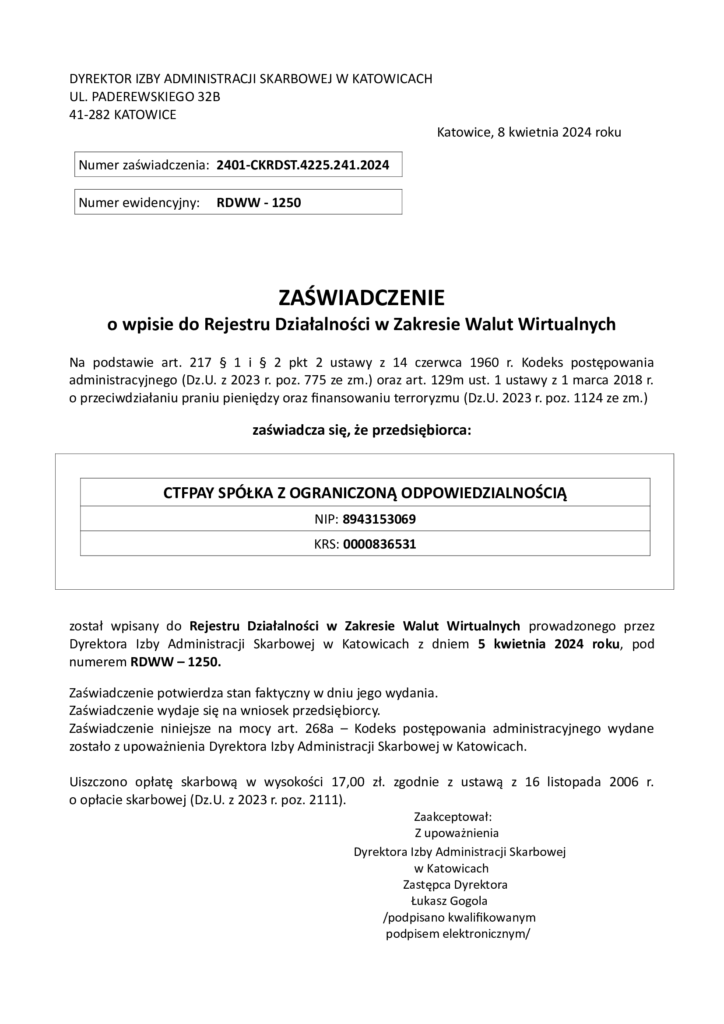
Obtaining the necessary licenses and permits is essential for any business, including cryptocurrency exchanges, to operate legally and compliantly. The specific licenses and permits required can vary based on the jurisdiction and the nature of the business. Here are some common licenses and permits that a cryptocurrency exchange might need to consider:
Business License:
A general business license is often required to legally operate any business within a specific city or county. It covers basic local regulations and is typically obtained from the local government or municipal authorities.
Financial Services License:
In many jurisdictions, cryptocurrency exchanges are classified as financial service providers. Therefore, they might need to obtain a specific financial services license from the regulatory authority responsible for overseeing financial institutions. The requirements and process for obtaining this license vary widely by country.
Money Transmitter License:
A money transmitter license is required in many countries and U.S. states for businesses that transmit money, including cryptocurrency exchanges. This license is essential as cryptocurrency exchanges facilitate the transfer of funds between users.
Anti-Money Laundering (AML) and Know Your Customer (KYC) Registration:
Cryptocurrency exchanges are usually required to register with regulatory authorities for AML and KYC purposes. This registration ensures compliance with regulations related to customer verification and the prevention of money laundering and terrorist financing.
Data Protection and Privacy Compliance:
With the increasing focus on data protection and privacy, businesses, including cryptocurrency exchanges, need to comply with data protection regulations such as the GDPR (General Data Protection Regulation) in the European Union. Compliance involves handling customer data responsibly and ensuring the privacy rights of users are protected.
Securities Licenses (if applicable):
If a cryptocurrency exchange offers tokens or cryptocurrencies that are classified as securities, it might need to obtain additional licenses related to securities trading. This is particularly relevant if the exchange allows for the trading of security tokens.
Trading Platform License:
Some jurisdictions require cryptocurrency exchanges to obtain a specific license for operating a trading platform. This license ensures that the exchange complies with regulations related to trading activities and investor protection.
Intellectual Property Licenses:
If the exchange uses proprietary software, algorithms, or trading technologies developed by others, it needs to obtain the necessary licenses or permissions to use these intellectual properties legally.
Compliance with International Regulations:
If the cryptocurrency exchange operates internationally, it needs to be aware of and comply with the regulations of the countries where its services are offered. This might require obtaining licenses and permits in multiple jurisdictions.
It’s crucial for cryptocurrency exchanges to consult legal experts or regulatory advisors who specialize in financial services and cryptocurrency regulations to ensure full compliance with all applicable licenses and permits. Failure to obtain the necessary licenses and permits can result in legal penalties and the suspension of business operations.